
Meat Doneness Calculator
Safe internal temperatures, pull temps and cook times for every common cut.
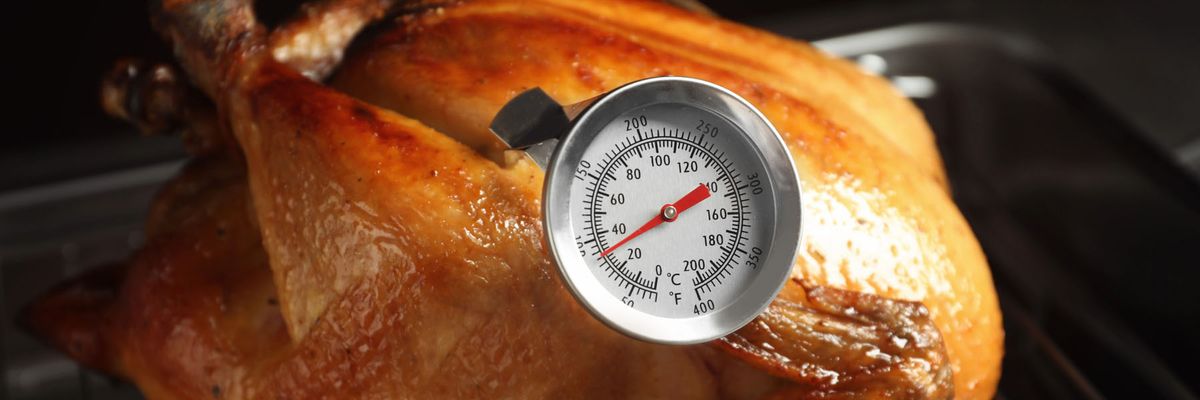
The recipe says "cook until done." Your thermometer is in a drawer you haven't opened since Thanksgiving. So you cut into the chicken breast to check, and now it's dry. Or you pull the steak early and it's cold in the middle, or you're standing at the grill Googling "chicken temp" for the fourth time this summer. This site is here so you can stop guessing.
The clock is a guess. Temperature is the only number that tells you a piece of meat is done. A 6-ounce chicken breast and a 10-ounce one won't finish in the same 12 minutes, and a $30 grill runs hotter than a $3,000 one. If you remember one thing from this page, make it the internal temperature.
The temperatures here are USDA food-safety minimums, the point where the bacteria that make people sick stop surviving. Steak is the one exception worth knowing. Whole cuts of beef and lamb carry bacteria on the surface, and the sear takes care of those, which is why a rare steak is normal and a rare burger is a gamble. Ground meat, poultry and pork should hit their number every time.
Quick answers
| Food | Target temp |
|---|---|
| Chicken or turkey, any part (breast, thigh, whole bird, ground) | 165°F |
| Ground beef, pork, lamb or veal | 160°F |
| Pork chops, tenderloin, roasts | 145°F + 3 min rest |
| Beef or lamb steaks and roasts (USDA minimum) | 145°F + 3 min rest |
| Beef steak, medium-rare (cook's preference) | 130–135°F |
| Fish | 145°F |
| Leftovers and casseroles | 165°F |
Doneness & cook-time calculator
How to use it
Pick the meat, the cut and, for steaks and roasts, how done you like it. You get a target temperature, the temperature to pull it off the heat, and a time estimate to plan dinner around. The estimate tells you when to start checking. The thermometer tells you when to stop.
Push the thermometer into the thickest part of the cut, away from bone and fat. Bone conducts heat and reads high. Pull steaks and roasts a few degrees early, because the meat keeps cooking after it leaves the heat (carryover), and the bigger the piece, the more it climbs. The thermometer guide covers where the probe goes in every cut and how to check that yours is telling the truth.
The times assume meat straight from the fridge. Meat that's been sitting out cooks faster. Meat that's still partly frozen cooks slower; USDA says a frozen turkey takes at least 50% longer. Treat every time range as a heads-up, and let the thermometer make the call.
Beef and lamb doneness by temperature
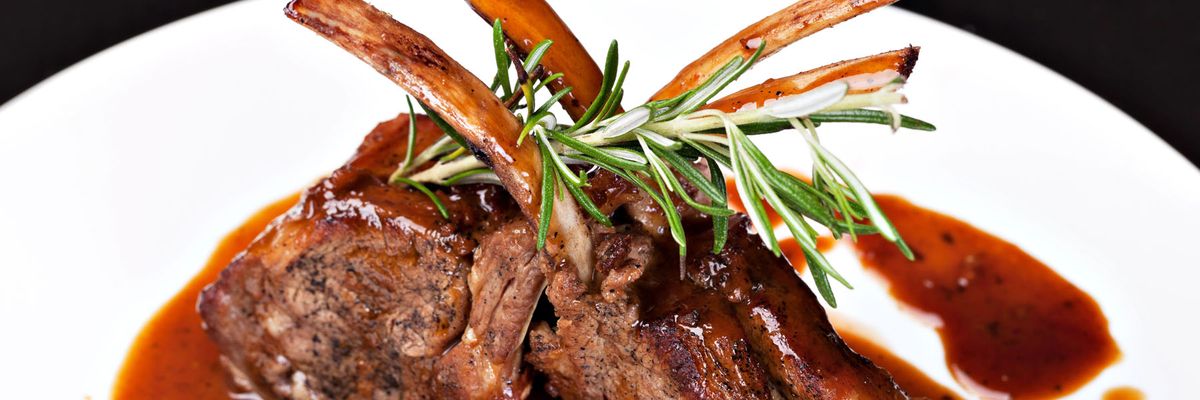
These are final temperatures, after the rest. Pull a thick steak about 5°F early and a big roast about 10°F early. Only 145°F and up meets USDA's minimum for whole cuts. The lower numbers are how restaurants and most cooks define doneness, and eating there is your call.
| Doneness | Final temp | What it looks like |
|---|---|---|
| Rare | 120–125°F | Cool to barely warm red center, very soft |
| Medium-rare | 130–135°F | Warm red-pink center, juicy, gives under a finger |
| Medium | 135–145°F | Pink center, firmer |
| Medium-well | 145–155°F | Trace of pink, noticeably firm |
| Well-done | 155–160°F+ | Gray-brown throughout, firm |
USDA safe minimum internal temperatures
| Food | Minimum internal temp |
|---|---|
| Beef, pork, veal and lamb steaks, chops and roasts | 145°F, rest 3 min |
| Ground meats (beef, pork, veal, lamb) | 160°F |
| All poultry: whole birds, breasts, legs, thighs, wings, ground poultry, giblets, stuffing | 165°F |
| Ham, fresh or smoked (uncooked) | 145°F, rest 3 min |
| Fully cooked ham, reheated (packaged in a USDA-inspected plant) | 140°F |
| Fully cooked ham, reheated (all others) | 165°F |
| Fish and shellfish | 145°F |
| Egg dishes | 160°F |
| Leftovers and casseroles | 165°F |
Guides
Beef & steak
Doneness, carryover, reverse sear, USDA roast times, and why the burger plays by different rules.
Chicken & turkey
Where to check, roast times by weight, stuffing, and why thighs want more heat.
Pork
Why 145°F is the number now, plus chops, tenderloin, ribs and ham.
Fish & seafood
Salmon temps, shellfish cues, and the 10-minutes-per-inch rule.
BBQ & smoking
Brisket, pork butt and ribs: smoker temps, the stall, wrapping and resting.
Using a thermometer
Where the probe goes, which kind to buy, and how to make sure it's honest.
Thawing & leftovers
Safe thawing times, how long meat keeps, and the 2-hour rule.
Recipe: reverse-seared ribeye
Low oven, hard sear, and the pull temperature for every doneness.
Frequently asked questions
What temperature should chicken be cooked to?
165°F in the thickest part. That goes for every part of the bird (breast, thigh, wing, ground chicken) and for any stuffing cooked inside it. On a whole bird, check the innermost thigh, the innermost wing and the thickest part of the breast.
Is it safe to eat pork that's a little pink?
Yes. USDA dropped its number for whole cuts of pork to 145°F with a 3-minute rest back in 2011, and pork at 145°F often keeps a blush of pink. Ground pork and fresh sausage still need 160°F.
Why can steak be rare when ground beef has to hit 160°F?
On a whole steak, bacteria sit on the outside, and the sear kills them. Grinding mixes that outside into the whole batch, so the middle of a burger has to get hot too. USDA's minimum for whole cuts is still 145°F; eating them rarer is your choice.
What temperature is medium-rare?
130–135°F after resting. Pull a 1-inch steak at about 127–130°F, a thick steak around 125–128°F, and a big roast around 120–125°F, since bigger pieces coast further.
How long should meat rest?
USDA wants at least 3 minutes for steaks, chops and roasts of beef, pork, veal and lamb. In practice, give a steak about 5 minutes, a roast 10 to 20, and a whole turkey 20 minutes before you carve.
What is carryover cooking?
When meat comes off the heat, the outside is hotter than the middle, and that heat keeps moving in. A thin steak might rise 2–3°F while it rests; a big roast can rise 10°F or more. That's why you pull meat before it hits its final temperature.
Where do I put the thermometer?
In the thickest part of the meat, away from bone, fat and gristle. For thin stuff like burgers and chops, go in from the side so the tip sits in the center. For whole poultry, check the thigh, wing and breast.
Can I trust the pop-up timer in a turkey?
Not by itself. USDA says to check the thigh, wing and breast with a real thermometer even if the turkey came with a pop-up.
Can I tell if meat is done by its color or juices?
No. USDA's position is that color doesn't tell you anything about safety. Ground beef can turn brown before it's safe, and pork can stay pink after it's fully safe. Only a thermometer knows.
How long does it take to cook a turkey?
At 325°F, USDA's chart puts an unstuffed 12–14 lb turkey at 3 to 3¾ hours and an unstuffed 14–18 lb bird at 3¾ to 4¼ hours. Stuffed birds take longer. Plug your weight into the Turkey tab above.
Can I cook meat straight from frozen?
Yes. USDA says it's safe, it just takes about 50% longer. Skip the slow cooker for frozen meat, because it can sit too long at unsafe temperatures on the way up.
What temperature should salmon be?
USDA's minimum for fish is 145°F, or until it's opaque and flakes with a fork. Plenty of cooks like salmon at 120–125°F because it stays moist. That's a preference, and anyone pregnant, older or immunocompromised should stick with 145°F.
Temperatures and roasting times: USDA Food Safety and Inspection Service, Safe Minimum Internal Temperature Chart; FoodSafety.gov, Meat and Poultry Roasting Charts. Last reviewed October 17, 2026. More on how we source and check numbers on the About page.